🔋
Energy after sunset
Use stored solar energy during evening and overnight periods when the roof is not generating.
Residential batteries turn a solar installation into a more flexible energy system. They store energy when solar production is available and make that energy available later — including as a reserve for selected loads during grid interruptions.
Discuss Your Project →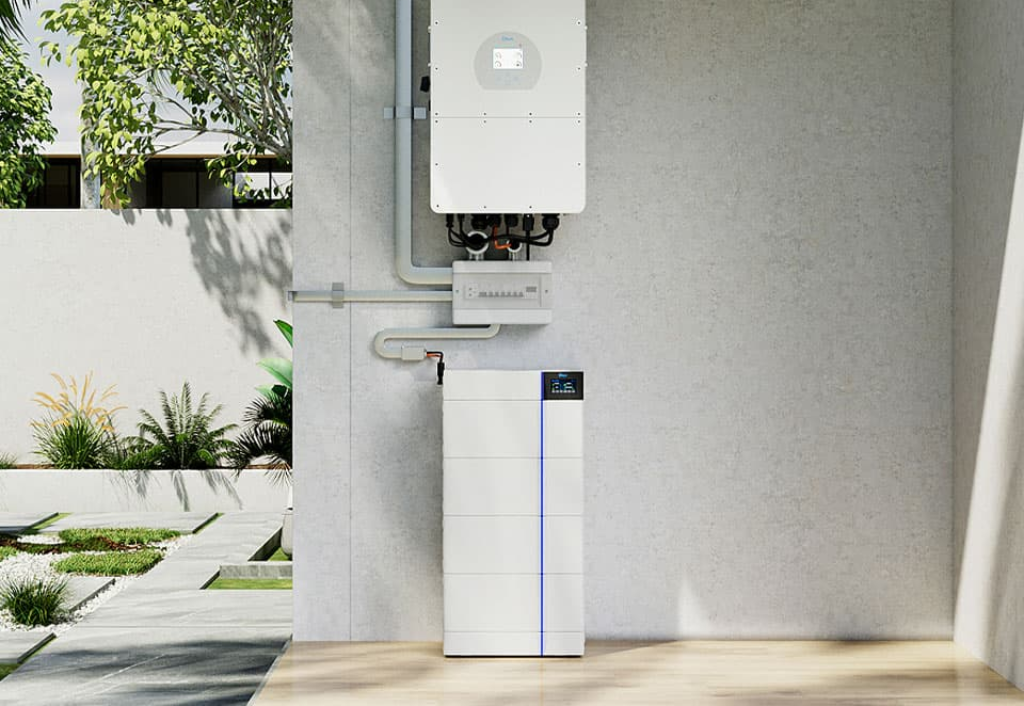
ITS focuses on practical energy outcomes: lower grid dependence, better use of solar generation, and dependable operation of the loads that matter most.
Use stored solar energy during evening and overnight periods when the roof is not generating.
Keep a configured reserve ready for brownouts, storms and unexpected utility interruptions.
Prioritize refrigeration, lighting, communications, security and other agreed essential circuits.
A properly sized battery can be used routinely instead of sitting idle until an outage.
Modular battery platforms can allow additional storage as energy needs grow, subject to compatibility.
Lithium iron phosphate storage is widely used for residential energy storage because of its safety and cycle-life characteristics.
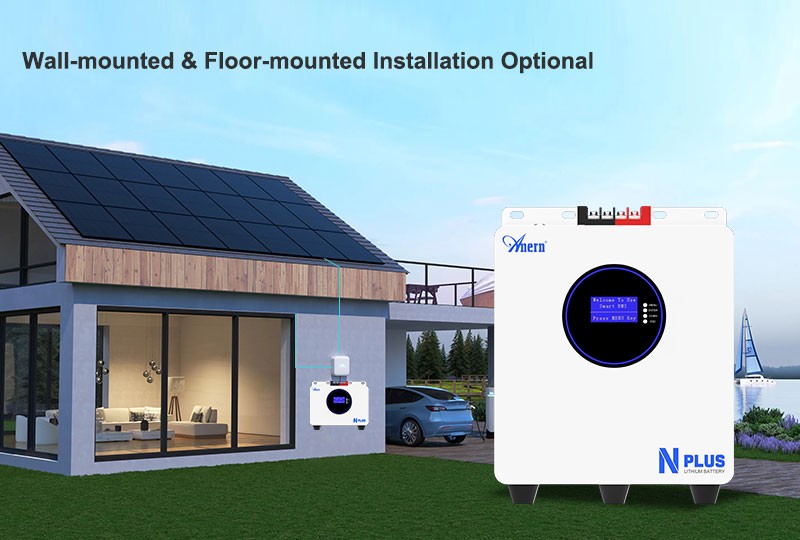
A useful battery design considers usable energy, discharge power, inverter limits, reserve settings and the loads you want to protect. A larger battery does not automatically mean every appliance can run simultaneously; inverter output and circuit design matter too.
Separate everyday loads from circuits that must remain available in an outage.
Use consumption patterns to determine useful battery capacity.
Make sure inverter and battery discharge capability match the loads.
Configure a reserve so daily use does not consume all emergency energy.
A system designed for lights, refrigeration, internet and security can be substantially different from a system intended to support air-conditioning, pumps or other high-power loads.
Product selection depends on project requirements, compatibility, availability and final engineering. These brands are presented as equipment options rather than a promise that every project will use every product shown.
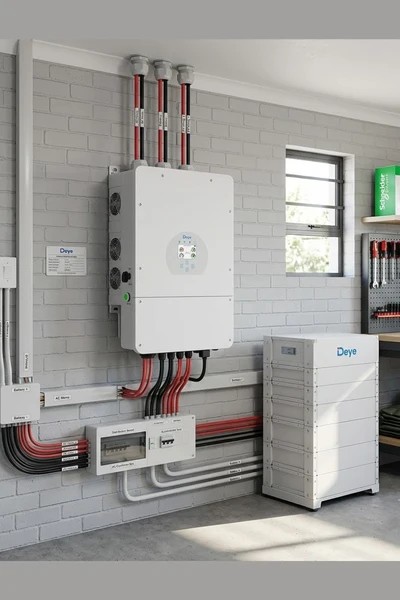
Hybrid inverter and residential energy-storage options for solar, battery and backup-load applications.
HYBRID INVERTERS + ESS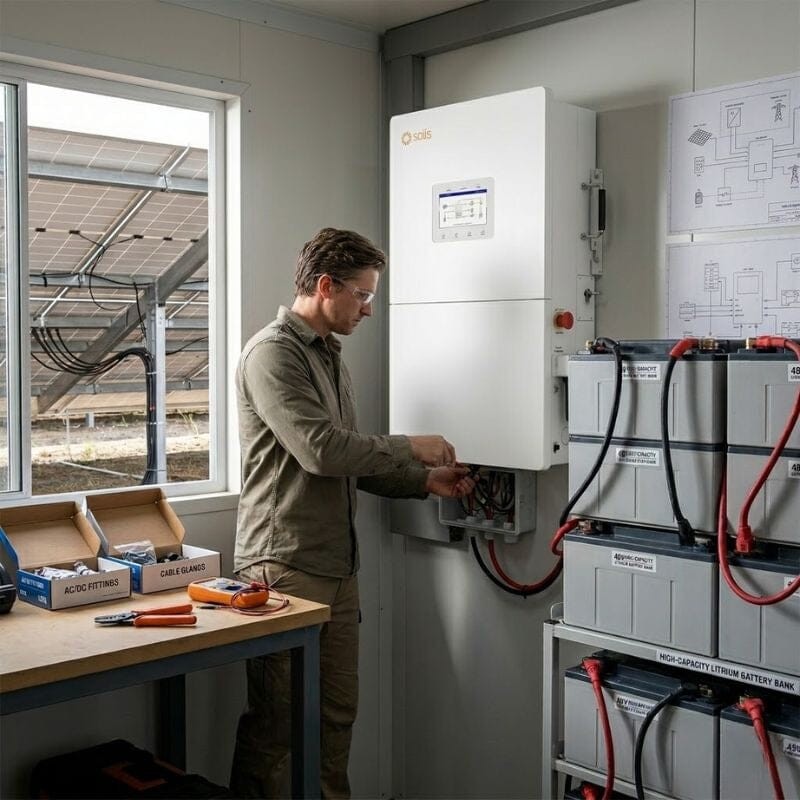
Residential and commercial energy-storage inverter options with backup and scalable system architectures.
ENERGY STORAGE INVERTERS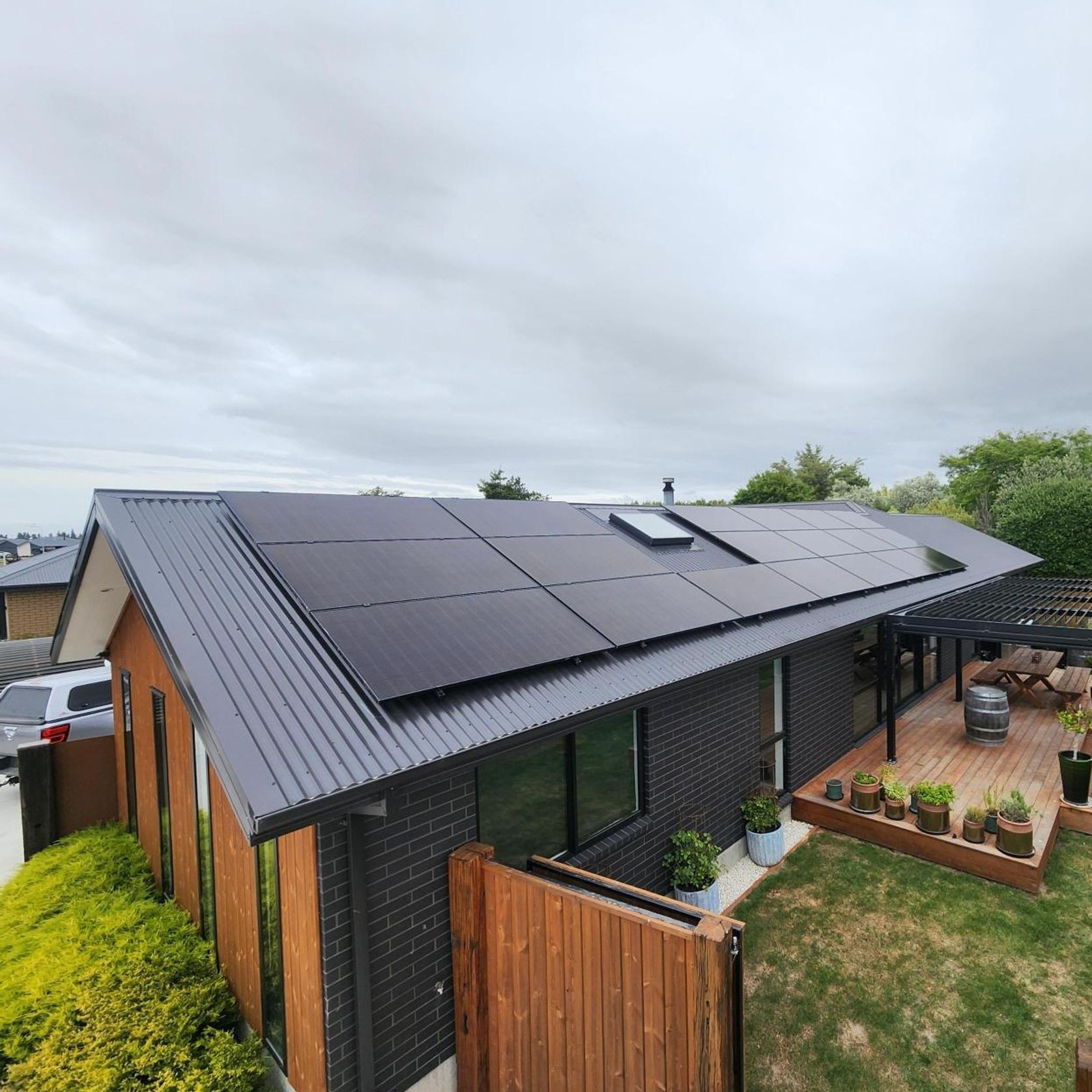
High-efficiency rooftop PV modules including the Vertex S+ residential portfolio.
ROOFTOP PV MODULES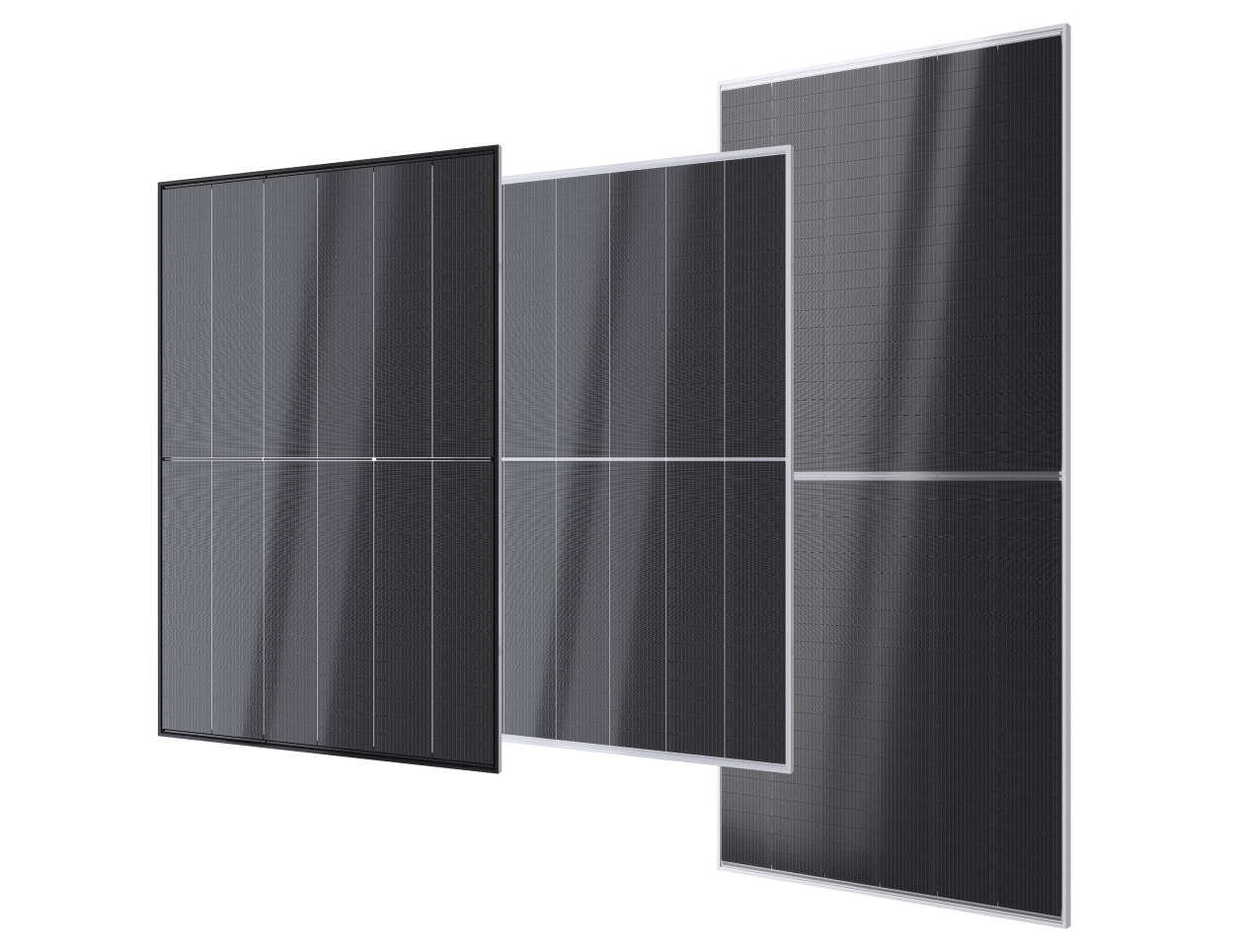
Tiger Neo N-type TOPCon modules for high-efficiency residential and commercial PV designs.
TIGER NEO PVHybrid inverters and LiFePO₄ battery options for residential backup and scalable solar storage.
INVERTERS + LITHIUM STORAGEProduct imagery is used as a real-world visual reference for the ITS draft. Final equipment selection, model availability and electrical compatibility are confirmed during system design.
Let ITS review your property, loads and backup requirements.